Razer
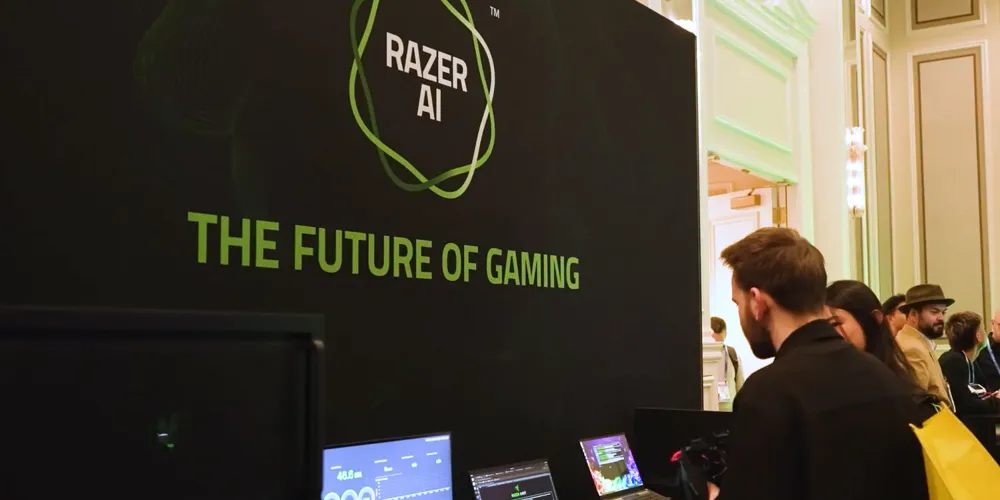
Razer showcased its expanding AI ecosystem at CES 2026, highlighting intelligent hardware, immersive innovation, and next-generation experiences shaping the future of gaming and interactive technology.
Razer at CES 2026: Advancing the Next Era of Intelligent Gaming
Showcasing the Next Evolution of Intelligent Gaming
At CES® 2026, Razer introduced a lineup of AI-driven concepts and platforms designed to reshape how gamers, creators, and developers interact with technology. The company’s announcements spanned wearable computing, immersive environments, and developer tools, reinforcing its long-term focus on intelligent hardware and software experiences.
Presenting these initiatives together allowed Razer to introduce its expanding AI vision to a global audience that extends beyond gaming into development, emerging technology, and lifestyle innovation. Industry coverage positioned the announcements as part of a broader shift toward context-aware devices powered by sensors, vision systems, and adaptive AI models, reflecting Razer’s strategy to build a connected ecosystem across hardware and software.
Matt Atwood, Director of Marketing, RazerCES brings together people from all around the world and it gives us an opportunity to get in front of them.
Driving Innovation Across AI, Wearables and Immersion
A major focus of Razer’s CES announcements was Project AVA, an AI desk companion designed as a 5.5-inch animated holographic avatar capable of natural language interaction and contextual awareness. Built to support both gameplay and everyday workflows, the device reflects Razer’s push toward AI assistants that operate alongside users rather than within traditional screens.
Razer also introduced Project Motoko, an AI-native wearable headset exploring hands-free interaction through cameras, microphones, and computer-vision capabilities. The concept blends gaming, lifestyle, and productivity into a single wearable platform, signaling Razer’s interest in contextual AI experiences beyond traditional peripherals.
Building an Ecosystem for Developers and Creators
Beyond AI companions and wearables, Razer showcased concepts designed to expand immersion and accelerate experimentation. Project Madison, an experimental gaming seat integrating visual, audio, and haptic feedback, demonstrated how physical environments can become part of the interactive experience.
The company also highlighted developer-focused platforms such as AIKit and Forge AI, built to help creators run and test AI applications locally while experimenting with new workflows across hardware and software ecosystems.
Together, these initiatives emphasize Razer’s strategy of building an integrated AI ecosystem that connects devices, development tools, and immersive environments.
Matt Atwood, Director of Marketing, RazerWe have a variety of objectives but the biggest thing is to get feedback. We take all of that feedback and apply it. It's been really exciting to see the engagement people are showing. All of the feedback goes into the design and production decisions we make.
Looking Ahead
Razer’s CES 2026 showcase reflected a continued evolution toward intelligent systems that understand context and adapt to users in real time. Industry coverage noted the company’s focus on AI-enabled hardware designed to merge entertainment, productivity, and everyday interaction.
By presenting experimental concepts alongside emerging platforms, Razer reinforced its role as a technology innovator exploring how AI can enhance gaming, creativity, and digital experiences at scale.


